
Before diving into Social Security claiming strategies, it helps to understand how Social Security fits into your overall retirement plan. If you haven’t already, start with our Retirement Planning Study Guide to see how Social Security, savings, and insurance work together to create reliable retirement income.

About the Author: Sonal Macwan — Certified Financial Professional, focused on retirement planning, life insurance basics, and long-term financial readiness for mid-career adults. Content is educational, not legal or financial advice.
Education builds clarity. Personalized planning provides direction.
For many Americans, Social Security is the foundation of retirement income. Yet it’s also one of the most misunderstood parts of retirement planning. Claim too early, and you may lock in a lower benefit for life. Wait too long without a plan, and you could miss years of income you actually needed.
The good news? With the right strategy, you can make informed decisions that align with your health, lifestyle, and long-term financial goals.
Let’s break it down in a way that’s simple, practical, and backed by official guidance.

How Social Security Benefits Are Calculated
Your Social Security retirement benefit is based on three main factors, according to the Social Security Administration (SSA):
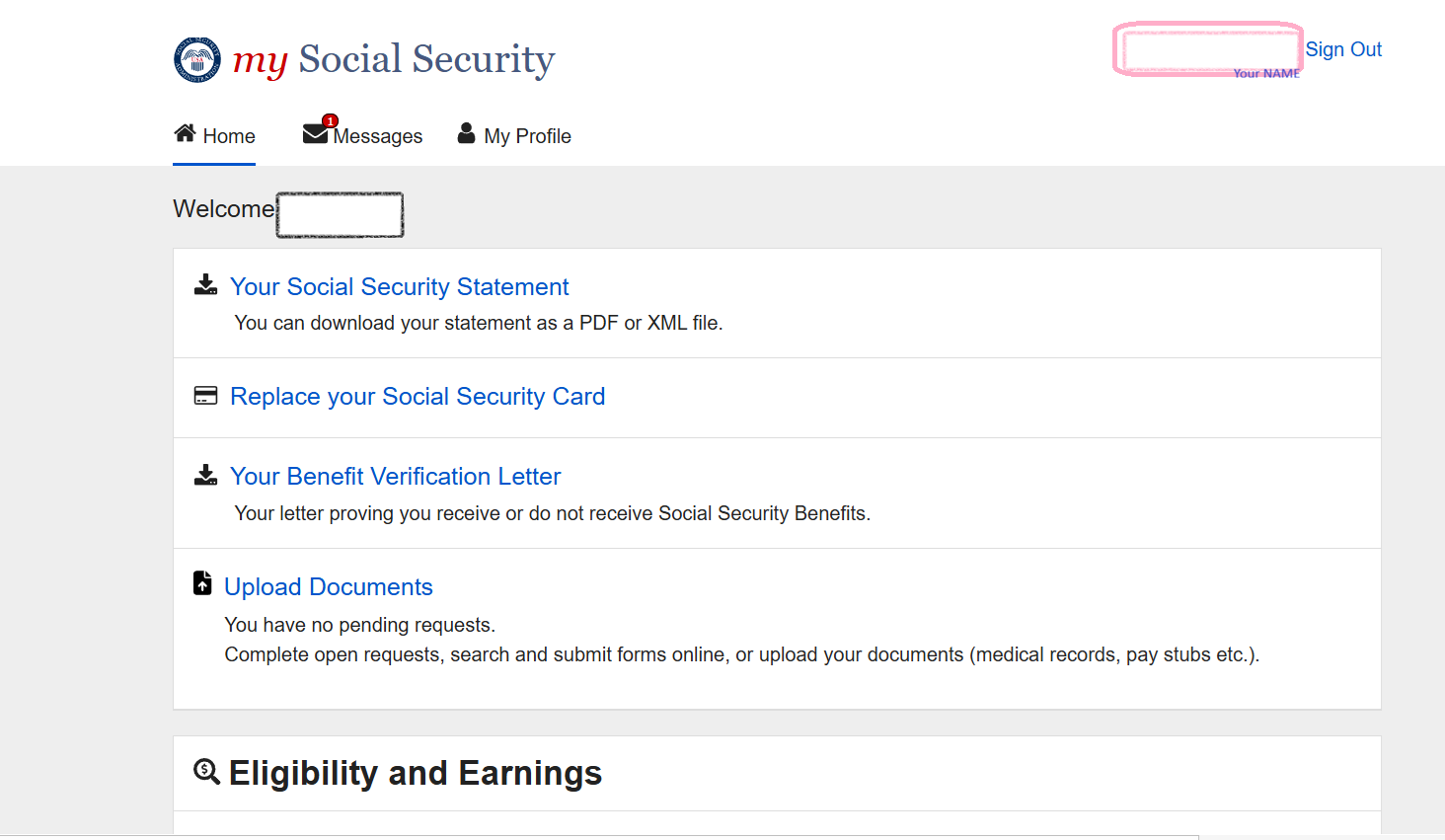
How to check your social security income? step by step guide
- Your earnings history – Specifically, your highest 35 years of earnings
- Your full retirement age (FRA) – Typically between age 66 and 67, depending on your birth year
- The age you claim benefits
If you work fewer than 35 years, zeros are factored in, which can lower your benefit. If you work more than 35 years, higher-earning years can replace lower ones and increase your monthly payout.
Protection First — Key Takeaway
Financial growth only works when what you build is protected. Life insurance and risk management form the foundation of every sound financial plan, ensuring income, family, and long-term goals stay secure through life’s uncertainties.
This is why Social Security is not just about when you claim—but also about how long and how much you earned during your working years.
Claiming at 62: Early Benefits, Permanent Reductions
Age 62 is the earliest you can claim Social Security retirement benefits. While this option is tempting, it comes with a cost.
If you claim at 62:
- Your benefit is permanently reduced by about 25%–30%
- The reduction lasts for life
- Survivor benefits for a spouse may also be reduced
Early claiming can make sense if:
- You have health concerns or a shorter life expectancy
- You need income immediately and have limited savings
- You plan to stop working entirely
However, claiming early while still working can trigger the earnings limit, which may temporarily reduce your benefits until you reach full retirement age.
Claiming at Full Retirement Age (FRA): The Baseline Strategy
Your full retirement age is when you qualify for 100% of your earned benefit.
💼 401(k) Basics for pre-retirees: What you need to know before you retire
For most people today:
- FRA is 66 and some months, or 67
- There is no earnings penalty once you reach FRA
- Benefits are neither reduced nor increased
This option often appeals to people who want balance—reasonable income now without the permanent reduction of early claiming.
Delaying Benefits Until Age 70: Maximum Monthly Income
If you delay Social Security beyond your FRA, your benefit grows through Delayed Retirement Credits.
Key advantages:
- Benefits increase by about 8% per year
- Increases stop at age 70
- Higher lifetime income for those who live longer
- Larger survivor benefit for a spouse
How to decide where to invest your retirement income? A simple tool
This strategy works well if:
- You are in good health
- Longevity runs in your family
- You have other income sources to bridge the gap
Delaying is one of the most effective ways to increase guaranteed, inflation-adjusted income in retirement.
Explore Financial Planning Resources
Financial clarity improves when you have the right tools and explanations in one place. Explore our curated resources to better understand life insurance, retirement planning, and wealth-building strategies—designed to support informed, confident financial decisions.
Visit the Resources Page →Spousal and Survivor Claiming Strategies
Married, divorced, and widowed individuals have additional claiming options that are often overlooked.
Spousal Benefits
- A spouse may receive up to 50% of the higher-earning spouse’s FRA benefit
- Claiming early reduces spousal benefits
- Does not reduce the worker’s own benefit
Survivor Benefits
- A surviving spouse may receive up to 100% of the deceased worker’s benefit
- Timing matters—claiming too early can reduce survivor benefits
- Coordinating strategies can significantly impact household income
These rules are complex, and small decisions can have large long-term consequences.
Taxes and Social Security: The Hidden Factor
Many retirees are surprised to learn that Social Security benefits can be taxable.
Depending on your combined income:
- Up to 85% of benefits may be subject to federal income tax
- Income from pensions, IRAs, and part-time work can trigger taxation
This is why Social Security should never be planned in isolation. It must be coordinated with withdrawals from retirement accounts and other income sources. It will be a mistake to not to look at taxes part during retirement. So consider as many options as possible to know🏦 How to Maximize Your Social Security Benefits and Avoid Taxes in Retirement
Why Claiming Strategy Is Not One-Size-Fits-All
The “best” claiming age depends on:
- Health and life expectancy
- Marital status
- Employment plans
- Savings and investments
- Inflation protection needs
Government guidance from the SSA provides the rules—but strategy comes from applying those rules to your unique situation.
If you’re unsure about your estimated benefit or earnings record, here’s a step-by-step guide on how to check your Social Security benefit online so you can make decisions based on accurate numbers.
Common Social Security Claiming Mistakes to Avoid
- Claiming early without understanding permanent reductions
- Ignoring spousal or survivor benefits
- Failing to coordinate with taxes and other retirement income
- Assuming Social Security alone will be enough
- Not reviewing earnings records for errors
If you want to see how this topic fits into your bigger retirement strategy— including Social Security timing, income planning, and risk management— explore our complete Retirement Planning Guide.
Social Security decisions are often irreversible, which makes planning ahead critical.
Bringing It All Together
Social Security is more than a government benefit—it’s a lifelong income decision. When claimed strategically, it can provide stability, inflation protection, and peace of mind throughout retirement.
If you want to see how this topic fits into your bigger retirement strategy— including Social Security timing, income planning, and risk management— explore our complete Retirement Planning Guide.
If you want to go deeper into advanced planning techniques, timing strategies, and coordination with retirement income, don’t miss our detailed guide on how to maximize your Social Security benefits.
And if you’re building a full retirement roadmap, Social Security should always be integrated into a broader financial plan—not treated as an afterthought.
Education builds clarity. Personalized planning provides direction. If you want to understand how these strategies apply to your financial goals, a thoughtful review can help you move forward with confidence.
Explore Your OptionsThis content is provided for educational and informational purposes only and is not intended as financial, legal, tax, or investment advice.